RELYmedia - Custom Promotional Products

Available Customization Methods

We offer a variety of customization options to ensure your logo looks its best. Most items have multiple available methods and the price for each may vary. Some options like engraving or heat stamping will be the most durable but will not have the range of colors as traditional printing.

Below are the most common methods available and a chart to show the differences.

Imprint Methods at a Glance
MethodTypical MaterialsColorsLook and FeelMost Common Items
Screen PrintingCotton, poly, bags, drinkwareOne to six spot colorsBold, slightly raised inkT-shirts, totes and mugs in volume
EmbroideryPolos, caps, jackets, bagsUp to 15 thread colorsStitched, textured, premiumUniforms, hats and outerwear
Pad PrintingPens, curved and small itemsOne to four spot colorsThin, crisp, smoothPens, stress balls, small plastics
Laser EngravingMetal, wood, glass, leatherTone on tone, no inkPermanent, etched into the surfaceTumblers, awards, executive gifts
Full Color DigitalFlat and lightly curved itemsUnlimited, photo qualitySmooth, fine detailPhotos, gradients, complex logos
SublimationWhite or light polyesterUnlimited, edge to edgeDyed into the fabric, no feelJerseys, lanyards, blankets
Heat TransferPerformance fabrics, nylonSpot or full colorSmooth film on the surfaceNames, numbers, athletic wear
Debossing and EmbossingLeather, leatherette, paperNo ink, or with foilPressed into or raised from the surfaceJournals, padfolios, cards
EtchingGlass and crystalFrosted, no inkMatte, permanentGlassware, awards
Foil StampingPaper, leatherette, napkinsGold, silver and metallicsShiny metallic finishCards, napkins, folders

Most Common Methods

Screen printing, embroidery, pad printing and laser engraving cover most orders.

Screen Printing close up

Screen Printing

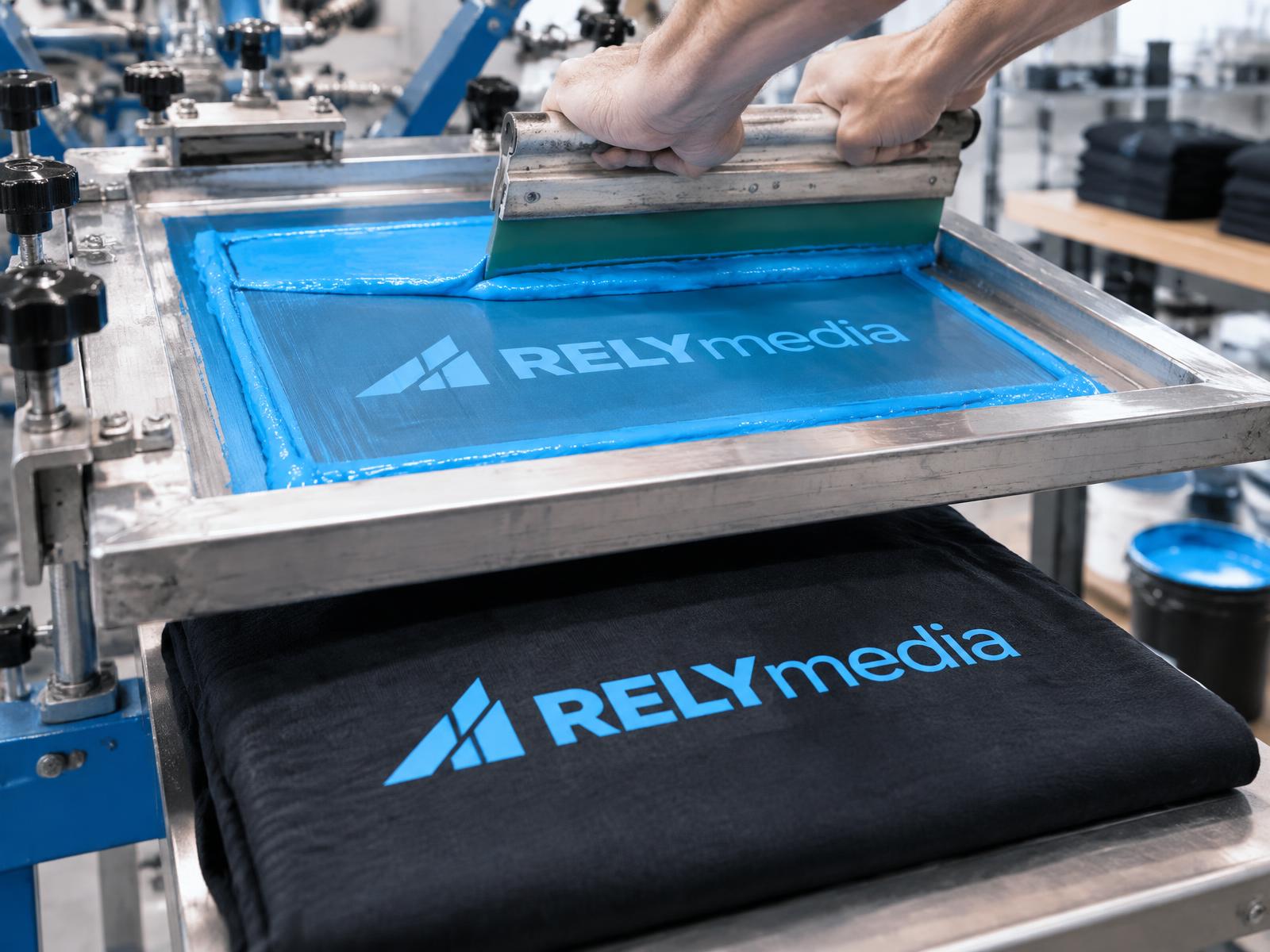
Ink is pushed through a mesh screen, one screen per color, onto the item. It is the most economical method for one to six color logos on larger runs, and the ink sits on the surface with a crisp edge.

  • Lowest cost per piece at volume
  • Bright, opaque color on dark items
  • Priced by the number of colors and locations
Shop items with screen printing
Embroidery close up

Embroidery

The logo is digitized for thread and stitched into the fabric. It lasts the life of the garment and reads as premium, which is why it is the standard for polos, caps, jackets and bags.

  • Raised, textured and very durable
  • Priced by stitch count, not colors
  • Fine lines under a quarter inch do not stitch well
Shop items with embroidery
Pad Printing close up

Pad Printing

A soft silicone pad picks ink up from an etched plate and presses it onto the item. Because the pad bends, it prints on curved and uneven surfaces that a screen cannot reach, which is how pens, stress balls, keychains and small plastics get their logos.

  • Prints on curved and small surfaces
  • One to four spot colors, matched to Pantone
  • Thin, crisp ink with fine detail
Shop items with pad printing
Laser Engraving close up

Laser Engraving

A laser removes the coating or burns the surface to mark the logo. There is no ink to wear off, so the logo lasts as long as the item. It is the standard for stainless drinkware, metal pens, awards and wood, and color can be added to the engraving on most models.

  • Permanent, tone on tone
  • Sharp detail, fine text works
  • Color fill available on most models
Shop items with laser engraving

More Imprint Methods

For curved items, photos, polyester, leather, glass and metallic finishes.

Full Color Digital

Also called 4-color process. Photos, blends, gradients and many-color logos print straight onto the item with no screens, which keeps small runs affordable.

Shop items

Sublimation

Heat turns dye into a gas that bonds with polyester, so the design becomes part of the fabric. Full color edge to edge on white or light polyester only.

Shop items

Heat Transfer

The design is printed on a film and heat pressed onto the item. It suits nylon, performance fabrics and individual names and numbers.

Shop items

Debossing and Embossing

A heated die presses the logo into the material (deboss) or raises it from behind (emboss). No ink, a premium look on leather and paper. Heat stamping adds color on most leather products.

Shop items

Etching

Sandblasting frosts the logo into glass or crystal for a permanent matte mark that suits glassware and awards.

Shop items

Foil Stamping

A heated die presses metallic foil onto paper, leatherette or napkins for a gold, silver or colored metallic logo.

Shop items

Common Comparisons

The three questions customers ask most when choosing a method.

Screen Printing vs Embroidery

Screen printing

  • Large designs and bright color
  • Lower cost on big t-shirt runs
  • Light, soft feel on tees

Embroidery

  • Small logos on the chest or a cap
  • Polos, jackets, hats and bags
  • Lasts the life of the garment

Choose screen printing for event and team tees, and embroidery for uniforms and anything meant to look premium.

Embossing vs Debossing

Embossing

  • The logo is raised from the surface
  • Pressed from behind with two dies
  • Common on paper and cards

Debossing

  • The logo is pressed into the surface
  • One die, works on thick materials
  • The standard on leather and leatherette

Both use no ink. Debossing is the usual choice on journals and padfolios; embossing suits paper and stationery.

Heat Transfer vs Screen Printing

Heat transfer

  • Full color and fine detail
  • Individual names and numbers
  • Works on nylon and performance wear

Screen printing

  • Lower cost at volume
  • Most durable ink on cotton
  • Best for one to six spot colors

Choose heat transfer for small runs, names and synthetics, and screen printing for volume orders on cotton.

Artwork Checklist

Four things that keep the proof right the first time.

1

Send vector artwork

AI, EPS or PDF files print sharpest. A high resolution PNG works for full color methods.

2

Give your PMS colors

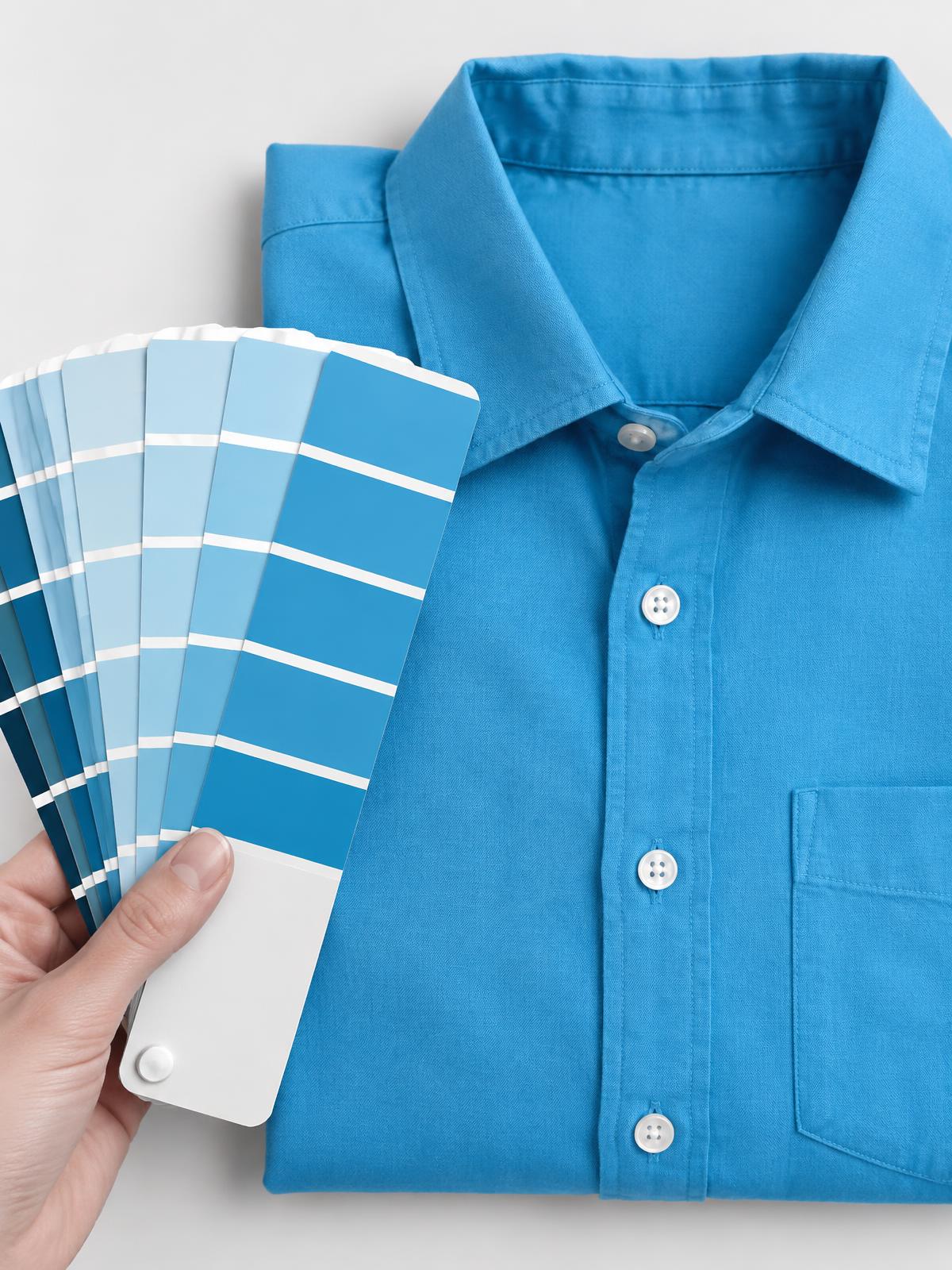
Pantone numbers let us match your brand color exactly. See color matching.

3

Check the imprint area

Each product page lists the imprint size. Fine text should stay above a tenth of an inch.

4

Approve a free proof

Every order gets a digital proof with your logo placed on the item before production.

Order Process

1Select Item and QuantityLooking for multiple items? Please contact us for a custom quote.
2Receive Quote & Free Digital ProofGet a custom quote in under 10 minutes and a proof next business day.
3Approve Proof & Complete PaymentThe lead time varies based on the product but rush services are available.

Imprint Methods FAQ

Not sure which method fits your logo? Send the artwork and the item and we recommend one with your quote.

Get a Quote Call 1-866-476-2095
What is pad printing?

Pad printing transfers ink from an etched plate to the item with a soft silicone pad, which lets it print on curved and uneven surfaces such as pens, stress balls and small plastic items. It handles one to four spot colors.

What is the difference between embossing and debossing?

Embossing raises the logo from the surface and debossing presses it in. Neither uses ink. Debossing is the usual choice on leather and leatherette, embossing on paper and cards.

Is screen printing or embroidery better?

Screen printing suits large, colorful designs on t-shirts and costs less at volume. Embroidery suits small logos on polos, caps and jackets and lasts longer. Many orders use both.

Which imprint method lasts the longest?

Laser engraving, etching, debossing and sublimation do not wear off because the logo is part of the material. Embroidery is the most durable method on apparel.

Can you match my logo color exactly?

Yes. Spot color methods such as screen and pad printing are matched to your Pantone number, and full color printing handles images, blends and gradients.